
Planning backpacking food gets much easier when you stop thinking in terms of individual meals and start thinking in terms of ingredients. A lightweight backpacking pantry gives you a small group of dependable foods that can be mixed, matched, and repeated across many different trips.
Instead of building every breakfast, lunch, and dinner from scratch, you create a system based on staple ingredients that are easy to pack, calorie-efficient, and reliable in real trail conditions. This makes it easier to plan food for short trips, longer routes, and changing conditions without overcomplicating the process.
For most backpackers, the goal is not to carry the widest possible variety of food. The goal is to carry foods that perform well. That usually means ingredients that are lightweight, easy to portion, store well, and work in simple meal formats. Articles like Lightweight Foods for Backpacking and High-Calorie Foods for Backpacking help explain why those qualities matter so much once you begin planning multi-day food systems.
A good backpacking pantry also improves meal reliability. When you use ingredients that you already know how to portion, combine, cook, or rehydrate, you reduce the chances of carrying food that is bulky, low in energy, awkward to prepare, or disappointing on the trail. Over time, many backpackers find this approach is much more practical than constantly searching for completely new meal ideas.
Most lightweight backpacking pantries are built around a few basic ingredient groups:
- carbohydrate bases for energy
- protein sources for more complete meals
- vegetables and flavour ingredients for variety
- high-calorie fats for energy density
- seasonings and add-ins that improve meal flexibility
Once these core ingredients are in place, it becomes much easier to build simple meal combinations, adjust food for different trip lengths, and create a more repeatable planning system. This is also closely connected to broader menu planning strategies, especially if you are already working on How to Build a Complete Backpacking Meal System or refining your approach to portioning backpacking food for multi-day trips.
In the sections below, we will look at what belongs in a lightweight backpacking pantry, how to choose ingredients that actually work, and how to organize them into a practical system you can use across many trips.
Why a Backpacking Pantry Makes Meal Planning Easier
Many new backpackers approach food planning by trying to design a completely different menu for every trip. While that approach can work, it often leads to complicated shopping lists, bulky ingredients, and meals that are difficult to portion or prepare on the trail.
A lightweight backpacking pantry simplifies the process by creating a small set of ingredients that you use repeatedly. Instead of reinventing your food system each time, you assemble meals from foods that already work well together.
This approach provides several practical advantages for multi-day trips.
1. Faster Meal Planning
When you already have a pantry of dependable ingredients, building a trip menu becomes much faster. You can combine familiar foods into simple breakfasts, lunches, and dinners without researching new recipes or testing unfamiliar ingredients before every trip.
Many backpackers eventually develop a small rotation of meals built from the same ingredients. This makes it easier to plan food for trips of different lengths, from short overnights to longer backcountry routes.
2. More Reliable Trail Meals
Not all foods perform well in the backcountry. Some are difficult to rehydrate, some spoil quickly, and others simply provide too little energy for their weight.
By relying on a pantry of ingredients that have already proven dependable, you reduce the chance of bringing food that fails on the trail. This is particularly important for dehydrated ingredients, where proper preparation and storage make a big difference in rehydration reliability. If you are building your own dried ingredients, the Ultimate Guide to Dehydrating Food for Backpacking explains the process in detail.
3. Better Control of Food Weight
A pantry system also helps control pack weight. Many backpacking ingredients are chosen specifically because they offer a strong balance between calories, storage stability, and weight. Understanding concepts like calorie density helps explain why certain foods appear repeatedly in experienced hikers’ meal systems.
When your pantry is built around lightweight staples and calorie-dense ingredients, it becomes easier to assemble meals that provide enough energy without adding unnecessary bulk to your pack.
4. Easier Portioning for Multi-Day Trips
Once your pantry ingredients are familiar, portioning food for trips becomes much more predictable. You learn roughly how much rice, pasta, oats, or dehydrated vegetables you typically use in a meal, which makes it easier to estimate the right food quantities for longer routes.
This system works especially well when combined with structured food planning methods such as estimating daily calorie needs and adjusting food weight for trip length.
Note: A well-designed backpacking pantry does not mean carrying the same meals on every trip. Instead, it creates a reliable ingredient system that allows you to build many different meals from a small group of lightweight foods.
With this foundation in place, the next step is identifying the core ingredients that belong in a dependable backpacking pantry.
Carbohydrates Are The Foundation of Most Backpacking Meals
Most backpacking meals start with a carbohydrate base. These foods provide the bulk of the energy in many trail meals and are usually lightweight, easy to store, and simple to prepare with limited cooking equipment.
Carbohydrates are particularly useful on the trail because they cook quickly and combine easily with other ingredients. They also work well with dehydrated foods, allowing you to build complete meals by adding vegetables, proteins, and seasonings to a single pot.
Many experienced hikers rely on a small group of dependable carbohydrate staples that rehydrate well and are easy to portion for multi-day trips.
Common backpacking carbohydrate bases include:
- instant rice
- couscous
- small pasta or pasta sides
- instant mashed potatoes
- quick oats
- ramen or instant noodles
These foods appear repeatedly in backpacking meal systems because they are lightweight and cook quickly with minimal fuel. Meals built around these ingredients also pack efficiently and work well in one-pot cooking setups.
Another advantage is flexibility. A single carbohydrate base can support many different meals depending on what ingredients are added. For example, rice or couscous can easily become a vegetable bowl, a curry-style meal, or a simple protein and seasoning combination.
When selecting carbohydrate staples for your pantry, look for foods that:
- cook quickly or rehydrate easily
- store well for long periods
- pack compactly
- combine easily with other ingredients
NOTE: Carbohydrate bases provide structure for backpacking meals, but they rarely make a complete meal on their own. Adding protein, fats, and vegetables helps improve both nutrition and overall calorie efficiency.
Once a reliable group of carbohydrate staples is in place, the next step is adding protein sources that help turn simple ingredients into more complete backpacking meals.
Protein Sources For More Complete Trail Meals
While carbohydrate bases provide most of the quick energy in backpacking meals, protein plays an important role in building more complete and satisfying trail food. Adding a reliable protein source helps improve meal balance and can make simple meals feel much more substantial after a long day of hiking.
Protein ingredients are often combined with carbohydrate bases to create meals that are both filling and energy-efficient. This combination is common in many backpacking meals because it allows you to build simple one-pot dishes that cook quickly and pack well.
Many backpackers rely on a mix of shelf-stable proteins and dehydrated ingredients that store easily and rehydrate reliably on the trail.
Common protein sources used in lightweight backpacking pantries include:
- dehydrated ground beef or chicken
- dehydrated beans and lentils
- powdered eggs
- foil pouch tuna or salmon
- hard cheeses
- nuts and nut butters
Dehydrated proteins are especially useful for longer trips because they pack compactly and store well. When prepared properly at home, many of these ingredients rehydrate well with boiling water on the trail. Guides such as How to Dehydrate Ground Meat Safely and How to Dehydrate Lentils and Beans for Reliable Rehydration explain how to prepare these ingredients, so they perform reliably in backpacking meals.
Protein sources can also help expand the variety of meals you can build from a simple pantry. The same carbohydrate base can become very different meals depending on whether you add beans, meat, cheese, or nut-based ingredients.
When choosing protein foods for a backpacking pantry, focus on ingredients that:
- store well without refrigeration
- pack compactly
- rehydrate reliably
- combine easily with common trail meals
NOTE: Protein ingredients do not always need to make up the largest part of a backpacking meal. In many trail meals, smaller amounts of protein combined with carbohydrate bases and calorie-dense fats provide a practical balance of energy and nutrition.
With carbohydrate bases and proteins in place, the next layer of a backpacking pantry focuses on vegetables and flavour ingredients that improve meal variety and overall food quality.
Vegetables For Improving Variety and Nutrition
Carbohydrate bases and protein ingredients form the structure of many backpacking meals, but vegetables and flavour ingredients are what make those meals more interesting to eat over multiple days. Even small amounts of vegetables can improve meal variety and help prevent food fatigue on longer trips.
Dehydrated vegetables are especially useful for backpacking because they store well, weigh very little, and rehydrate easily when added to hot meals. Many backpackers prepare their own vegetables at home so they can control portion sizes and ingredient quality.
Common vegetables used in lightweight backpacking meals include:
- bell peppers
- mushrooms
- zucchini
- spinach
- celery
- onions
These ingredients are often mixed into rice, pasta, or couscous-based meals to add texture and flavour without increasing pack weight significantly. When dehydrated properly, most vegetables rehydrate well in simple one-pot meals.
If you are preparing your own ingredients, guides such as Best Vegetables for Dehydrating and Which to Avoid explain which foods tend to work well and which ones often perform poorly after drying.
Some backpackers also prepare specific ingredients ahead of time for quick meal assembly. For example, recipes like Dehydrated Bell Peppers or Dehydrated Mushrooms can easily be added to many different trail meals.
Vegetables do not need to make up a large portion of backpacking meals. Small amounts are usually enough to improve both flavour and meal variety while keeping food weight low.
NOTE: A small mix of dehydrated vegetables can significantly improve meal variety during multi-day trips, especially when combined with simple carbohydrate bases and protein ingredients.
Once vegetables are included in your pantry, the next step is adding calorie-dense fats that help increase overall energy without dramatically increasing pack weight.
High-Calorie Fats for Increasing Energy
One of the most important ways to improve a backpacking food system is by adding calorie-dense ingredients. Fats contain more than twice the calories per gram compared to carbohydrates or protein, which means small amounts can significantly increase the total energy of a meal without adding much weight.
This is especially useful on longer trips where food weight becomes one of the largest parts of a backpack. Understanding how calorie density works helps explain why many experienced hikers rely on certain fats repeatedly when building trail meals. Guides such as Calorie Density for Backpacking With Less Weight explain this concept in more detail.
Common calorie-dense fats used in backpacking pantries include:
- olive oil
- nuts such as almonds, peanuts, or cashews
- nut butters
- hard cheeses
- coconut milk powder
- butter powder or ghee
These ingredients are useful because they pack a large amount of energy into small portions. For example, a tablespoon of olive oil can add more than one hundred calories to a meal while taking up very little space in a food bag.
Fats are often added to meals after cooking. A small bottle of olive oil or a packet of nut butter can be stirred into rice, noodles, or dehydrated meals to increase calories and improve flavour.
Many of these ingredients also appear in lists of High-Calorie Foods for Backpacking because they offer an efficient way to increase energy intake during demanding trips.
NOTE: Small amounts of high-fat ingredients can dramatically improve the calorie efficiency of backpacking meals without increasing food weight significantly.
Once carbohydrate bases, proteins, vegetables, and fats are part of your pantry, the final layer of flexibility comes from seasonings and flavour ingredients that allow the same basic foods to produce many different meals.
Seasonings and Flavor Systems
Seasonings are often the smallest ingredients in a backpacking pantry, but they can have a large impact on meal variety. A small collection of spices, sauces, and flavour mixes allows the same basic ingredients to produce many different meals on the trail.
This is especially useful when many backpacking meals rely on similar carbohydrate bases such as rice, couscous, pasta, or noodles. Without some variety in seasoning, meals can start to feel repetitive after several days.
Many backpackers solve this problem by carrying a small selection of seasoning blends that can quickly enhance a meal. These seasonings weigh very little but make it much easier to rotate between different meal styles.
Common seasoning options used in lightweight backpacking pantries include:
- garlic powder and onion powder
- curry powder or curry seasoning blends
- taco seasoning
- Italian herb blends
- bouillon powder or soup bases
- soy sauce powder or small sauce packets
These ingredients can be mixed into rice, noodles, potatoes, or dehydrated meals to create completely different flavouring profiles using the same core ingredients. For example, rice with vegetables and lentils can easily become a curry-style meal, a simple soup, or a mild stir-fry-style dish depending on the seasoning used.
Some backpackers prepare their own seasoning mixes at home so they can portion them for individual meals. Others carry a small spice container or pre-measured packets for different meals.
NOTE: A few lightweight seasoning blends can dramatically increase meal variety on multi-day trips without adding noticeable weight to your food bag.
With carbohydrate bases, proteins, vegetables, fats, and seasonings in place, a backpacking pantry becomes a flexible system that can produce many different meals. The final step is organizing these ingredients so they are easy to use when planning food for upcoming trips.
How to Organize a Backpacking Pantry at Home
Once you have identified the ingredients that work well for backpacking meals, organizing them into a simple pantry system makes trip preparation much easier. Instead of searching through your kitchen for different foods before every trip, you can keep a dedicated set of backpacking ingredients ready to use.
A backpacking pantry does not need to be large. Most hikers rely on a small group of staple foods that can be combined in different ways. Keeping these ingredients together in one place helps speed up meal preparation and makes it easier to see what you already have available.
Many backpackers store their pantry ingredients using a few simple methods.
Use Dedicated Storage Containers
Dry ingredients such as rice, pasta, oats, and dehydrated vegetables can be stored in sealed containers or jars. Labelling these containers helps you quickly identify ingredients when assembling meals.
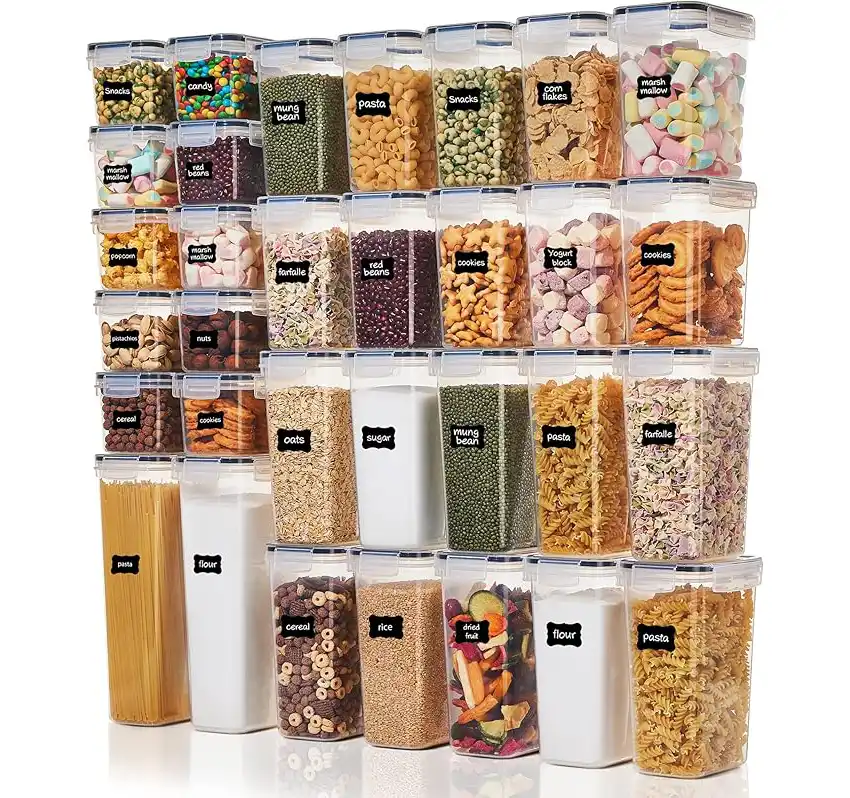
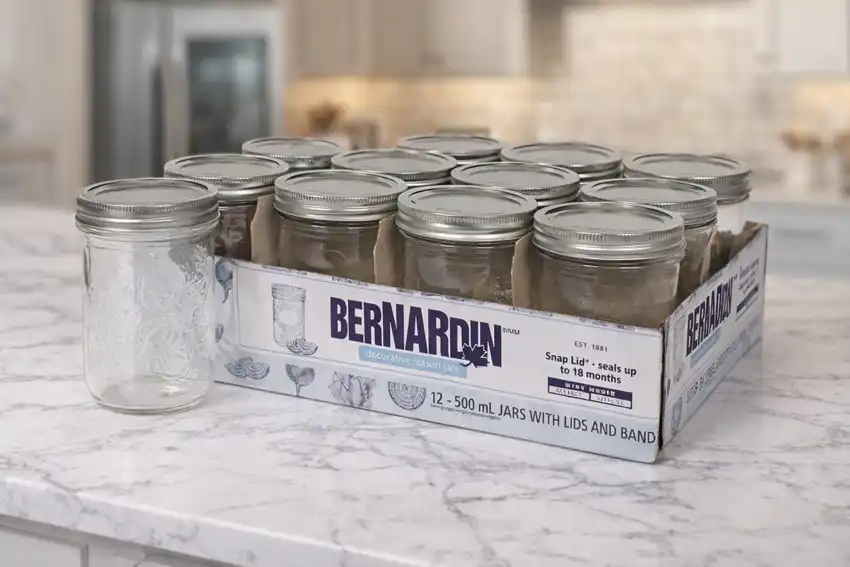
Smaller containers or resealable bags can be useful for items such as spice blends, powdered sauces, or soup bases.
Pre-Portion Ingredients for Meals
Some backpackers prefer to portion ingredients in advance so meals are easier to assemble later. For example, common amounts of rice, lentils, or dehydrated vegetables can be measured into small bags and stored in the pantry.
This approach makes it much faster to build meals before a trip because the basic ingredients are already measured and ready to combine.
Store Ingredients by Category
Grouping foods by category can also help simplify the system. Many backpacking pantries separate ingredients into sections such as:
- carbohydrate bases
- protein ingredients
- dehydrated vegetables
- fats and calorie boosters
- seasonings and sauces
When ingredients are organized this way, building a meal becomes a simple process of choosing items from each category.
Rotate and Restock Regularly
Like any pantry, backpacking ingredients should be used and replaced periodically. After each trip, it helps to check what ingredients were used and restock anything that is running low.
This also keeps your pantry ready for future trips, making it easier to plan food quickly when a new backpacking or paddling trip comes up.
A well-organized backpacking pantry reduces preparation time and makes it easier to assemble reliable meals before every trip.
Even with a good pantry system, a few common mistakes can make backpacking food heavier, harder to cook, or less satisfying on the trail. Understanding these mistakes can help improve meal reliability even further.
A good rule to follow is: First in, First out.
Common Backpacking Pantry Mistakes
Building a lightweight backpacking pantry is meant to simplify meal planning, but a few common mistakes can make food systems heavier, more complicated, or less reliable on the trail. Avoiding these problems helps keep your pantry practical and easy to use.
Carrying Too Many Unique Ingredients
One of the most common mistakes is trying to stock a pantry with too many different foods. While variety can be helpful, carrying dozens of unique ingredients often makes meal planning more complicated than necessary.
Most experienced backpackers rely on a relatively small group of staple foods that can be combined in different ways. A smaller set of reliable ingredients makes it easier to plan meals and manage food weight.
Choosing Foods That Cook Slowly
Some foods require long cooking times that are not practical in the backcountry. Meals that need extended simmering use more fuel and can be inconvenient after a long day of hiking.
Backpacking pantry ingredients should generally cook quickly or rehydrate easily with boiling water. Foods that soften rapidly make it easier to prepare meals using simple one-pot cooking systems.
Relying on Low-Calorie Foods
Many common grocery foods contain a lot of bulk but relatively little energy. When these foods are used heavily in backpacking meals, food weight can increase quickly.
Understanding calorie efficiency helps avoid this problem. Foods with higher energy density provide more calories per gram, allowing you to carry less weight while still meeting daily energy needs.
Not Testing Dehydrated Ingredients
Dehydrated foods can be excellent backpacking ingredients, but they should always be tested before relying on them for a longer trip. Some foods rehydrate easily, while others remain tough or uneven if they are not prepared properly.
Testing ingredients at home or on short trips helps ensure they perform well when you depend on them during a longer route.
Overcomplicating Meals
Complex meals with many ingredients may seem appealing at home, but they often become difficult to manage on the trail. Backpacking meals are usually more successful when they are simple, quick to prepare, and easy to clean up.
NOTE: In many cases, the most reliable backpacking meals are built from just a few well-chosen ingredients that cook quickly and provide enough calories for the day’s effort.
A well-designed backpacking pantry avoids these problems by focusing on simple ingredients that combine easily, cook quickly, and provide dependable energy for multi-day trips.
Building a Reliable Backpacking Food System
A lightweight backpacking pantry helps turn meal planning into a repeatable system rather than a complicated process before every trip. By relying on a small group of dependable ingredients, it becomes much easier to assemble meals that are lightweight, calorie-efficient, and simple to prepare on the trail.
Carbohydrate bases provide the structure for most meals, while proteins, vegetables, and seasoning blends add variety and improve overall meal quality. Calorie-dense fats help increase energy without adding unnecessary weight, making it easier to meet daily calorie needs during demanding trips.
Over time, many backpackers refine their pantry by keeping the ingredients that perform well and removing foods that are difficult to cook, heavy for their calories, or inconvenient to store. This gradual refinement helps create a food system that becomes easier to use with each trip.
When these ingredients are organized and ready to use, assembling meals becomes much faster. Instead of starting from scratch, you can build reliable breakfasts, lunches, and dinners by combining ingredients that already work well together.
As your backpacking experience grows, a well-designed pantry becomes one of the most useful tools for planning efficient meals, reducing food weight, and keeping trail food simple and dependable.
Understanding the basic building blocks of backpacking food makes it much easier to plan reliable meals for multi-day trips. These guides explain how ingredients, calorie density, and simple meal structures work together to create lightweight and dependable trail food systems.
Have questions about building simple backpacking meals or choosing foods that work well on the trail? Follow Trail Eating on Facebook for more ideas and to join the discussion.