
Planning trail food does not need to feel complicated. This page walks you through the basics in a simple step-by-step order so you can figure out what food to bring, how much to pack, and where to begin with meals that actually work on the trail.
This page is designed for beginner and early-intermediate hikers, backpackers, and paddlers who want practical answers without getting buried in technical details. If you are new to backpacking or paddling trips, start with the steps below and follow them in order. If you already have some experience, you can jump straight to the section that matches what you need help with most.
Chef-Crafted Trail Food Essentials
How to get started with Trail Food
Explore chef-driven tips, recipes, and meal plans for lightweight, delicious trail adventures, and start your backpacking outdoor treks.
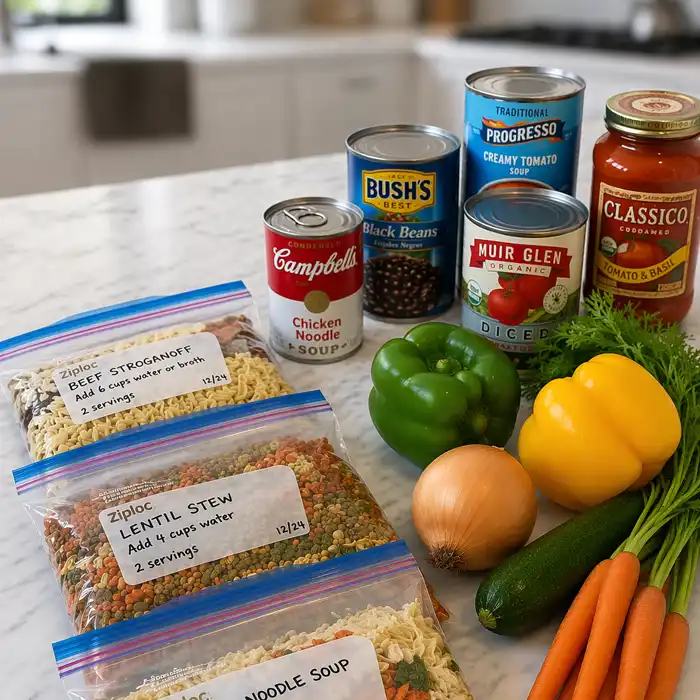
Step 1: Understand what trail food needs to do
Food for backpacking and paddling trips is different from food you would make at home. It needs to pack well, hold up for the length of the trip, and give you enough energy without taking up too much space or weight.
- eat enough each day
- carry manageable food weight
- build meals that are easy to prepare
- avoid foods that spoil quickly or do not rehydrate well
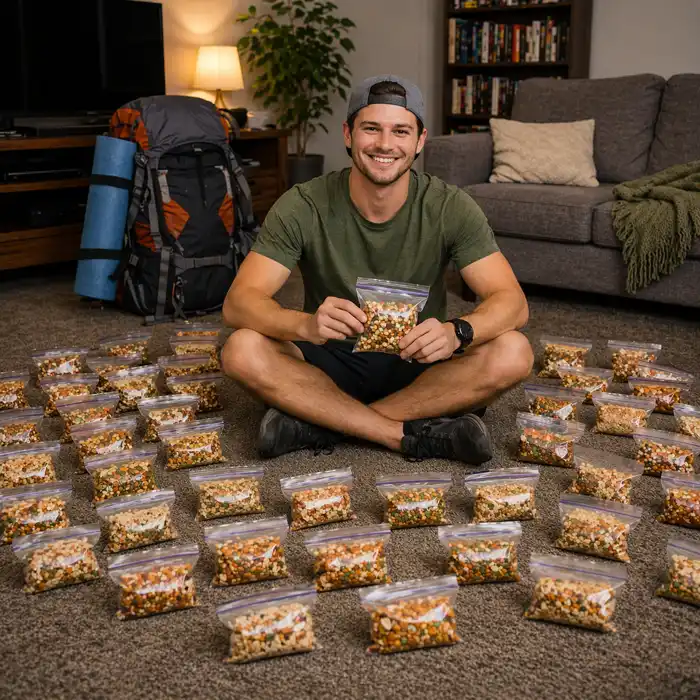
Step 2: Figure out how much food you need
One of the most common beginner questions is simple: how much food should I bring? This matters more than most people realize. Packing too little can leave you low on energy, while packing too much adds extra weight that serves no real purpose. A good starting point is to think in terms of full days on the trip:
- breakfast
- lunch
- dinner
- snacks between meals
- extra food for weather, delays, or higher effort days
You do not need an advanced spreadsheet to begin. What you need is a clear, repeatable planning method that helps you build enough food into each day without overcomplicating the process.
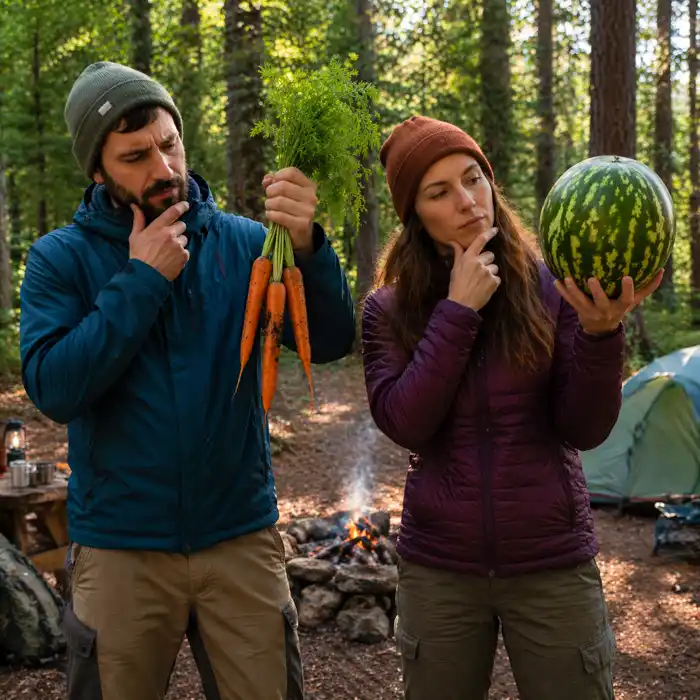
Step 3: Choose foods that are easy to carry and easy to us
Once you understand how much food you need, the next step is choosing foods that make sense for the trip. Beginners often do better by starting with familiar ingredients and meals instead of trying to build highly technical menus from scratch. Look for foods that are:
- lightweight for the amount of energy they provide
- simple to portion and pack
- reliable in different weather conditions
- easy to cook, rehydrate, or eat without much effort
Season and trip style matter too. A summer backpacking trip and a cold-weather paddling trip do not place the same demands on your food. That is why Trail Eating treats food planning as a system rather than just a recipe list.
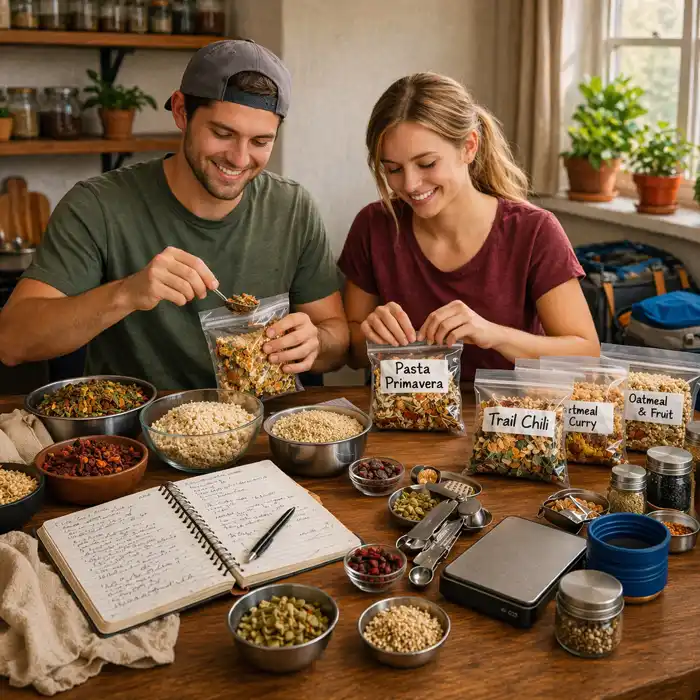
Step 4: Understand how trail meals are structured
Trail meals are usually built from a few reliable parts that work together. Instead of starting with complicated recipes, it helps to understand the structure behind simple backpacking meals.
- a base ingredient such as rice, pasta, potatoes, couscous, or oats
- a protein source
- vegetables or supporting ingredients
- flavour from sauces, spices, or seasoning mixes
Once you understand this structure, it becomes much easier to build meals that match your trip length, cooking setup, and personal preferences.
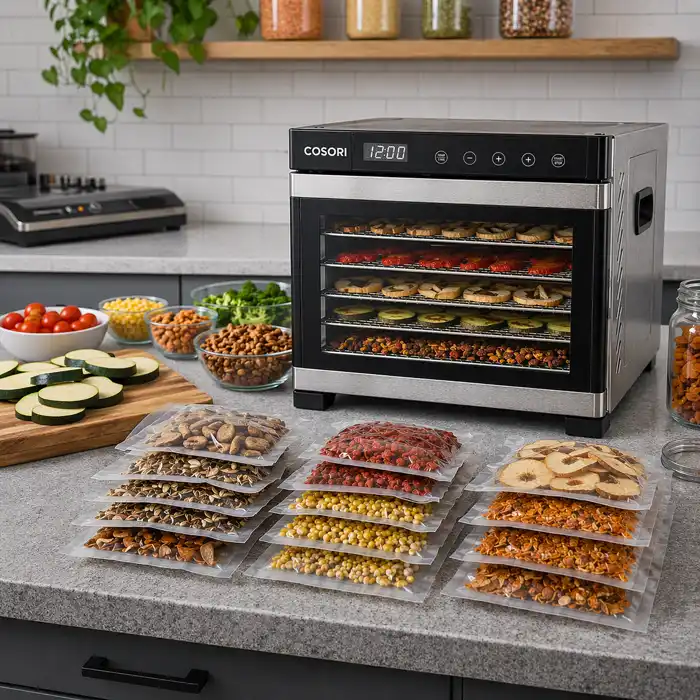
Step 5: Learn dehydration as a tool, not a requirement
Many people assume they need to learn dehydration before they can plan good trail food. That is not always true. You can build effective menus with store-bought dry foods, simple staples, and a few reliable recipes. Dehydration becomes most useful when you want more flexibility, more control over ingredients, and better long-term meal building options. It helps you:
- reduce food weight
- create shelf-stable ingredients
- build modular meal components at home
- make repeatable meals for future trips
If you are curious about dehydration, start with the basics and build confidence one ingredient at a time.
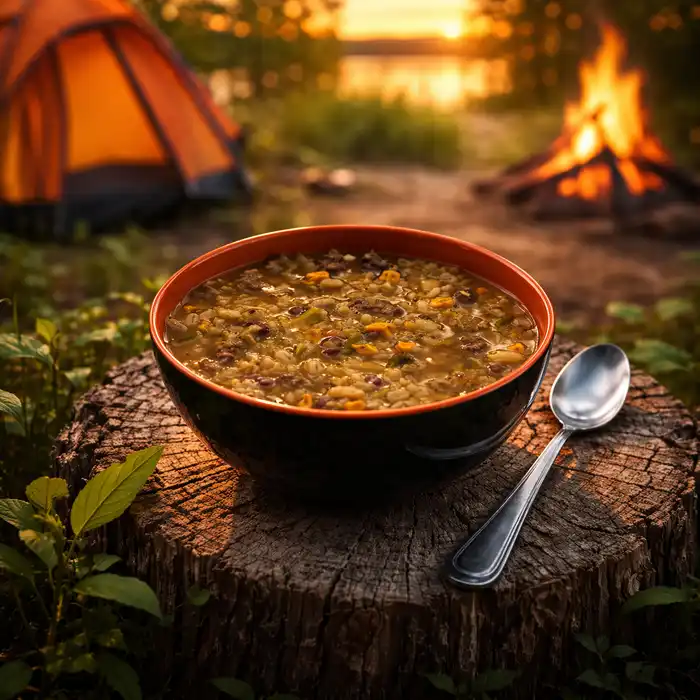
Step 6: Build simple trail meals
Once you understand food structure and ingredients, building trail meals becomes much easier. Most beginners do best by starting with simple, repeatable meals that are easy to portion and prepare on the trail. You can begin with meals built from:
- rice or pasta bases
- oatmeal breakfasts
- no-cook lunches
- one-pot dinners
Recipes help you see how these ingredients work together and give you practical starting points that you can reuse on future trips.