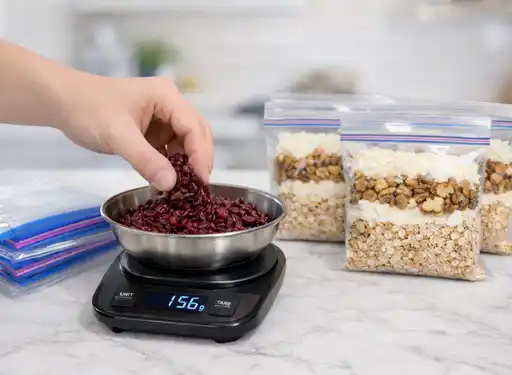
Preparing Backpacking Meals at Home vs On the Trail
Backpacking meals can be prepared in several different ways before a trip begins. Some hikers build complete meals at home and pack them...

Practical, season-aware dehydrated meals and trail food systems for backpacking and backcountry travel.

A growing collection of trail-focused recipes, built carefully for performance, nutrition, and packability

A zesty, homemade Pace-inspired picante sauce with jalapenos and lime, perfect for trail dips—dehydrate it for a lightweight, spicy kick on your backpacking adventures.
| Characteristic | Details |
|---|---|
| Difficulty: | Easy |
| Cost: | Cheap |
| Category: | Trail Staples |
| Seasons: | All |
Ingredients & Servings: Easily customize your meal with our adjustable servings slider. The ingredient list dynamically updates, ensuring perfect portions for your camping adventure, whether solo or with a group.
| 796 ml | 1 Can of Diced tomatoes |
| 75 ml | Tomato Paste |
| 3 oz | Yellow Bell Pepper, diced |
| 2 oz | Green Onions, diced |
| 2 oz | Jalapeno Pepper minced (1 for medium) |
| 1 clove | Garlic, minced |
| 1 1/4 cups | White Vinegar |
| 1 Lime | Juice of 1 lime |
| 1 tsp | Salt |
| 1 tbsp | Garlic Powder |
| 2 tsp | White Sugar |
Add 1 can (796 ml) diced tomatoes to a food processor and pulse 2-3 times to break up chunks, keeping a slightly chunky texture—avoid a smooth puree.
In a stainless steel saucepan, combine your pulsed tomatoes, tomato paste, diced yellow bell peppers, diced green onions, minced jalapeño pepper (1 for medium heat), 1 minced garlic clove, white vinegar, juice of 1 lime, salt, garlic powder, and sugar.
Note: For the jalapeno, you can increase the "heat" of your sauce by leaving in the white pith, but remove the seeds. Otherwise, when you remove the pith, you will get a mild heat to your sauce.

Bring to a simmer over medium heat, stirring occasionally. Cook for 30 minutes to reduce the liquid until thickened to your liking. Taste and adjust salt if needed.

Remove from heat and cool for 20 minutes. Transfer to a container for home use or proceed to dehydrate for trail use. The next section will take you through the dehydration process, but before we do that, I'm having a plate of picante and tortilla chips—I'm hungry!

For Dehydration: Spread a thin layer of sauce on silicone fruit leather trays. Dehydrate in a Cosori dehydrator at 125°F (52°C) for 14 hours, or until it becomes like fruit leather, but a little drier.

Break the dehydrated sauce into flakes.

Store in vacuum-sealed bags with a 5-gram desiccant packet for trail packing. For longer storage at home, I would dry it a bit longer and then break it up into Mason jars, also with desiccant packets.

Per Serving
| Kcal: | 10 kcal |
| Fibers (g): | 0.5g |
| Sodium (mg): | 100mg |
| Carbs: | 2g |
| Sugar (g): | 1g |
| Proteins: | 0.5g |
What’s worth knowing this month?
Subscribe to the Trail Eating Newsletter and get a short, practical update once a month, plus a free guide to help you plan better outdoor meals.
Chef-Crafted Trail Food Essentials
Explore chef-driven tips, recipes, and meal plans for lightweight, delicious trail adventures, and start your backpacking outdoor treks.


A former chef with 25+ years of experience, I combine my love of food and the outdoors through TrailEating. From quick trail snacks to campfire meals, my goal is to make outdoor cooking simple, memorable, and delicious.

Your Guide to Cooking Through the Seasons
Trail Eating guides you through delicious recipes and essential tips tailored to spring, summer, fall, and winter adventures. Getting out into the backcountry isn't just for summer; we have 3 more seasons to enjoy!
Discover fresh, vibrant trail meals that are easy to pack and full of flavour—perfect for energizing your journey through trails bursting with life. Think crisp vegetables, light yet satisfying wraps, and refreshing snacks for spring camping food ideas.
Whether you're trekking a scenic trail, paddling through serene waters, or camping under starry skies, our summer backpacking recipes are designed to beat the heat. Explore refreshing, fruit-packed dishes, quick-cooking meals that save stove time for seasonal meal planning.
Celebrate fall's cozy, hearty flavors with our backpacking meal ideas, featuring dishes that warm you from the inside out. From spiced soups and stews to hearty grain bowls, these trail recipes are the perfect companions for chilly camping trips.
Packed with energy and comfort, our winter camping food ideas are ideal for snowy hikes, frosty camping trips, and cozy evenings by the fire. Enjoy rich stews, high-calorie snacks, and hot drinks for backpacking meal planning in snowy, cold weather.


Preserve food & lighten your pack
Dehydrating food reduces weight, extends shelf life, and makes meal planning easier for hiking, camping, and backcountry travel. Learn the fundamentals and do it right from the start.
Understand the differences between dehydrating and freeze-drying food, and which method makes sense for backpacking and outdoor meals.
Learn what to look for in a food dehydrator, including features that matter for trail-ready meals and long-term use.
Learn the fundamentals of food preservation as they apply to dehydrated meals, shelf life, and reliable outdoor use.
Learn how to store dehydrated food properly to maintain quality, safety, and performance on the trail.
Fresh On the Trail
Explore new camping recipes, backpacking meal recipes, food preparation tips, outdoor gear reviews, and updates each week.
Backpacking meals can be prepared in several different ways before a trip begins. Some hikers build complete meals at home and pack them...
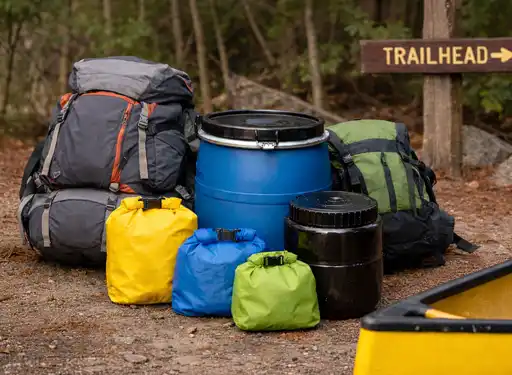
Backpacking meals work best when they match the length of the trip. Food that works well for an overnight route is not always the most practical...
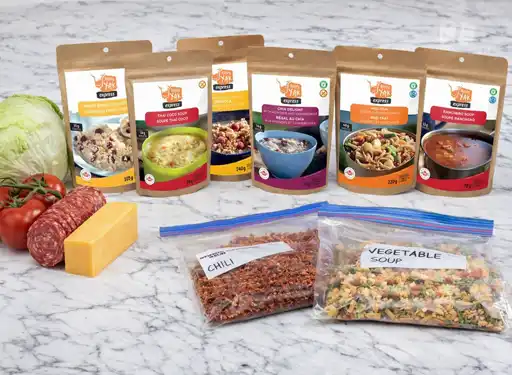
Many backpackers assume they need to choose between carrying fresh food and preparing dehydrated meals at home. In practice, most trips work best...
What’s on the Trail Menu Today?
Gear up for any trek with my latest trail-ready recipes. From easy hiking snacks to hearty mountain meals built for wild weather, savour bold flavours that thrive in the great outdoors.
X (Twitter)
Join the conversation — follow, retweet, reply, and like!
Follow
Pinterest
Explore and save — pin, favorite, and collect your inspirations!
Follow
Facebook
Connect on Facebook — follow, comment, and share your ideas!
Follow