
Many backpackers assume dehydrating their own food is always cheaper than buying ready-made meals. In many cases, that is true, but the full cost is more than just the price of ingredients. A realistic comparison also includes the cost of the dehydrator, electricity use, packaging, and the time required to prepare and dry food properly.
For hikers who take frequent trips, build meals in batches, or want more control over ingredients, dehydrating food often becomes cost-effective over time. For others, especially those who only take a few short trips each year, store-bought meals may still make sense even if the price per meal is higher.
The real value of dehydrating food is not only lower meal cost. It can also improve flexibility, ingredient control, and meal system reliability. But those advantages only matter if the process fits your actual trip schedule, food habits, and kitchen setup.
This guide breaks down the main costs of dehydrating backpacking food and explains when the process is worth the investment.
The Main Costs of Dehydrating Backpacking Food
The total cost of dehydrating food at home comes from several different parts of the process. Some are one-time equipment purchases, while others apply to every batch you make.
The main cost categories are:
- the dehydrator itself
- electricity used during drying
- ingredients
- packaging and storage materials
- time spent preparing, drying, and portioning meals
For most backpackers, the highest long-term cost is usually the food itself, not the electricity. The appliance and power use matter, but they are often smaller factors than people expect. What changes the economics most is how often you dehydrate, how efficiently you run each batch, and whether you are replacing expensive store-bought meals or simply making a few ingredients for short trips.
That is why dehydrating food works best when viewed as a system rather than a single cost. Batch size, equipment choices, and meal planning all affect whether the process saves money over time.
Cost of a Food Dehydrator
The first cost most people consider is the dehydrator itself. Prices vary widely depending on size, airflow design, and overall build quality. Fortunately, beginners do not need expensive equipment to start dehydrating food successfully.
| Dehydrator Type | Typical Price Range | Best For |
|---|---|---|
| Entry-level stack dehydrators | $50 – $80 | Occasional use or small batches |
| Mid-range dehydrators | $100 – $200 | Regular backpacking meal prep |
| Premium dehydrators | $250 – $400+ | Large batches and frequent use |
Many backpackers start with simple stack-style dehydrators, which are inexpensive and work well for smaller amounts of food. These models are widely available and can produce good results when trays are rotated during drying.
For people preparing food more regularly, mid-range dehydrators often provide better airflow control and more consistent drying across trays. Larger capacity also makes it easier to dry full meal batches at once.
For example, a six-tray dehydrator with a 600-watt heating element is capable of drying a substantial amount of food in a single batch when trays are filled efficiently. Running full trays improves efficiency because the electricity used during drying produces more finished food at the end of the process.
The important point is that a dehydrator is usually a one-time purchase that can last for many years. When the cost is spread across dozens or even hundreds of batches of food, the equipment cost per meal becomes quite small.
Electricity Costs Per Batch
Electricity is often assumed to be one of the major costs of dehydrating food. In practice, the energy used during drying is usually quite modest compared with the cost of the ingredients themselves.
A typical home dehydrator uses between 400 and 700 watts of power, depending on the model and temperature settings. A 600-watt dehydrator running for eight hours would use roughly 4.8 kilowatt-hours of electricity.
Electricity rates vary by region, but using a typical residential rate close to $0.12 per kilowatt-hour, the cost of running that dehydrator for eight hours would be roughly:
4.8 kWh × $0.12 ≈ $0.58 per batch
Even if drying takes longer or electricity prices are slightly higher, the cost per batch usually stays well under one dollar. When that batch produces several meals or multiple ingredients for future meals, the energy cost per serving becomes very small.
NOTE: Running full dehydrator trays improves efficiency. The electricity cost for a batch remains roughly the same whether the trays are half full or completely loaded.
This is one reason many backpackers prefer to prepare food in larger batches rather than running the dehydrator for small amounts of food.
Ingredient Costs Matter More Than Electricity
While equipment and electricity are often discussed first, the highest cost in dehydrating backpacking food is almost always the ingredients themselves. The price of meat, vegetables, grains, and spices will usually determine the final cost of a homemade meal.

For example, a homemade chili prepared with ground meat, beans, tomatoes, and vegetables may cost several dollars to make before dehydration. Once dried and portioned into backpacking meals, the cost per serving may still be significantly lower than a commercial freeze-dried meal, but the difference depends heavily on ingredient choices.
Many store-bought backpacking meals cost between $10 and $15 per serving. A similar homemade meal might cost closer to $3–$6, depending on the ingredients used. The savings become more noticeable when meals are prepared in larger batches.
Ingredient control also allows backpackers to adjust meals to their own preferences. Meals can be made higher in calories, adjusted for dietary needs, or built from ingredients that are easier to rehydrate on the trail.
Because ingredient cost is the largest variable, dehydrating tends to save the most money when it replaces frequent purchases of commercial backpacking meals.
Herbs and Seasonings Are One Area Where Dehydrating Saves Money
One area where dehydrating food can clearly reduce costs is herbs and seasoning ingredients. Store-bought dried herbs are often surprisingly expensive for the small quantities sold in grocery stores.
Many herbs dry extremely well in a home dehydrator. Parsley, oregano, thyme, basil, and chives can all be dried quickly and stored for later use in backpacking meals or everyday cooking.
In addition to herbs, ingredients such as onions and garlic can also be dehydrated and processed into flakes or powders. These are commonly used as seasoning bases in soups, sauces, and trail meals.
Preparing these ingredients at home allows larger quantities to be stored for future meals while significantly reducing the cost compared with buying small jars of dried herbs.
For backpacking meals, herbs and powdered seasonings also make it easier to add flavour without increasing pack weight. Small amounts can transform simple trail meals while adding almost no bulk to a food bag.
Packaging and Storage Costs
After food has been dehydrated, it needs to be stored properly to maintain quality and prevent moisture from returning. Packaging costs are generally small compared with the cost of ingredients, but they are still part of the overall system.
Common storage methods include:
- Freezer bags for short-term meal storage
- Vacuum-sealed bags for longer storage
- Mason jars with vacuum sealing attachments
- Reusable airtight containers
Freezer bags are often the simplest and least expensive option, especially for meals that will be used within a few weeks. Vacuum sealing and jar storage can extend storage life by reducing exposure to air and moisture.
For many backpackers, the packaging costs per meal are quite small. Even when vacuum sealing is used, the added cost per meal is usually only a few cents.
The main goal of packaging is not cost reduction but maintaining the quality of the dehydrated food until it is needed for a trip.
Time Is Part of the Real Cost
One factor that is often overlooked when comparing homemade meals to store-bought backpacking meals is time. Dehydrating food involves several steps that take place before the food ever reaches the trail.
Typical preparation steps include:
- planning meals
- shopping for ingredients
- cooking or preparing the food
- cutting ingredients into appropriate sizes
- running the dehydrator for several hours
- portioning and packaging meals
For some backpackers, this process is part of the enjoyment of trip preparation. Preparing food in advance can become part of the planning phase of a trip and allows meals to be tailored to specific routes, weather conditions, and calorie needs.
Others may prefer the convenience of simply purchasing ready-made meals and packing them into their food bag. Neither approach is inherently better; it depends on how much time someone wants to invest in food preparation.
Understanding this time commitment helps set realistic expectations about the full cost of dehydrating backpacking food.
When Dehydrating Your Own Food Saves Money
Dehydrating food tends to become more cost-effective when it is used regularly. Backpackers who take several trips each year often recover the cost of equipment quickly because they are replacing multiple commercial meals with homemade versions.
This is especially true for longer trips where many meals are required. Preparing food in larger batches allows the dehydrator to run efficiently while producing multiple servings at once.
Dehydrating also becomes more economical when meals are built from ingredients already used in everyday cooking. Preparing a larger pot of soup, chili, or stew and drying extra portions can spread ingredient costs across several meals.
Some backpackers also find that making their own meals helps reduce waste. Ingredients can be portioned exactly for the trip, and leftover dehydrated ingredients can be stored and reused in future meals.
Over time, frequent use and batch preparation are what make dehydration most cost-effective.
When Store-Bought Meals Make More Sense
Commercial freeze-dried meals still have advantages in certain situations. For people who only take occasional trips, the convenience of ready-made meals may outweigh the effort required to prepare and dehydrate food at home.
Store-bought meals can also be useful for short trips when time is limited and preparing meals in advance is not practical.
They are also convenient as backup food. Many backpackers keep a few commercial meals available for trips that come together quickly or when unexpected schedule changes make meal preparation difficult.
In these situations, the higher cost per meal may be reasonable because the meals require no preparation and have a very long shelf life.
Dehydrating Food Works Best as a Long-Term System
The real advantage of dehydrating food appears over time. Once the equipment is in place and a few reliable meal recipes are established, preparing food for future trips becomes easier and more efficient.
Batch cooking, consistent ingredient preparation, and proper storage methods allow backpackers to build a small library of dehydrated meals and ingredients ready for upcoming trips.
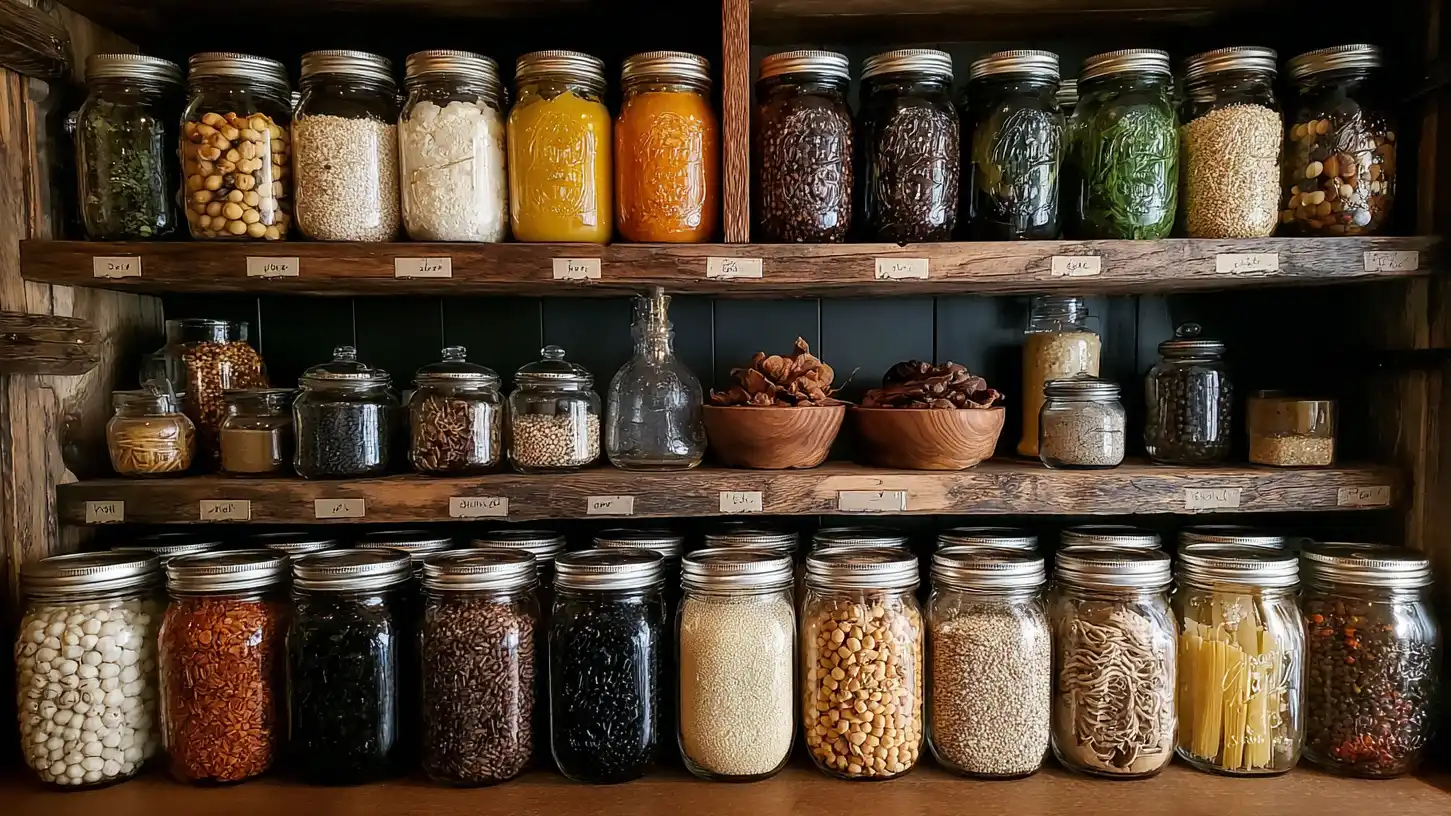
Over time, this system reduces reliance on expensive commercial meals and provides greater flexibility when planning trail menus.
More importantly, it allows meals to be built around real trip needs such as calorie requirements, cooking methods, and expected trail conditions.
For many backpackers, dehydrating food becomes less about saving a few dollars per meal and more about building a flexible food system.
For a complete overview of how dehydration fits into a practical trail food system, see the Ultimate Guide to Dehydrating Food for Backpacking. Together, these guides form a practical foundation for lightweight, reliable, and repeatable backcountry meals.
Related Guides
For a complete overview of how dehydration fits into a reliable trail food system, see the Ultimate Guide to Dehydrating Food for Backpacking. Together, these guides form a practical foundation for lightweight, reliable, and repeatable backcountry meals.
Have a question about dehydrating ingredients or getting food to rehydrate properly on the trail? You can follow Trail Eating on Facebook for additional tips and to join the discussion.
Related Guides
- How to Store Dehydrated Food for Backpacking
- How to Dehydrate Lentils and Beans for Reliable Rehydration
- How to Dehydrate Ground Meat Safely
- Best Vegetables for Dehydrating and Which to Avoid
- Why Some Foods Fail to Rehydrate on the Trail
- How to Store Dehydrated Meals for Multi-Day and Extended Trips
- Cold-Weather Backpacking Food: Calories, Rehydration, and Meal Planning
- How to Build a Complete Backpacking Meal System
- Calorie Density for Backpacking: Pack More Energy With Less Weight