
Multi-day canoe and kayak expeditions require a different approach to food planning than most backpacking trips. While canoe travel allows larger loads, extended routes such as the Bowron Lakes Canoe Circuit still demand careful planning to keep meals reliable, lightweight, and easy to prepare in backcountry conditions.
Trips like this require a different approach to food planning than most backpacking trips. While canoe and kayak travel allow larger loads, extended routes such as the Bowron Lakes Canoe Circuit still demand careful meal planning for backpacking and paddling trips.
Food systems on trips like this must balance several factors. Meals need to be simple to cook after long days of paddling. Ingredients must tolerate repeated packing and damp conditions. Fuel use must remain efficient. At the same time, food weight needs to stay manageable for portages.
The Bowron Lake Provincial Park
The Bowron Lakes Canoe Circuit in British Columbia is one of the most well-known paddling routes in Canada. The full circuit typically takes six to eight days and includes long paddling sections combined with several portages between lakes. These conditions create practical constraints that directly affect food planning.
Over three separate trips between 2021 and 2023, I was in a group that completed the Bowron circuit clockwise as a seven-day expedition. The group consisted of two adults and one young teenager travelling in a single 20-foot canoe. Food planning for the trip focused on having more choices than just ramen noodles, KD, and meals that could be prepared with some comfort.
Most of the food planning and preparation for these trips was handled in advance before leaving for Bowron. This included meal selection, ingredient preparation, shopping, and organizing food storage. Cooking responsibilities were also primarily managed during the expeditions.
The experience gained across multiple trips provided useful insight into how food systems perform on longer canoe routes. Some approaches worked well immediately, while others required adjustment after seeing how meals held up during real trail conditions.
This article explains how food planning evolved across those trips and how the systems used on the Bowron circuit can help guide meal planning for similar multi-day paddling expeditions.
Expedition Constraints That Affect Food Planning
Food planning for the Bowron Lakes Canoe Circuit is shaped by several practical constraints. While canoe travel allows larger loads than backpacking, the route still requires careful weight management and reliable food systems.
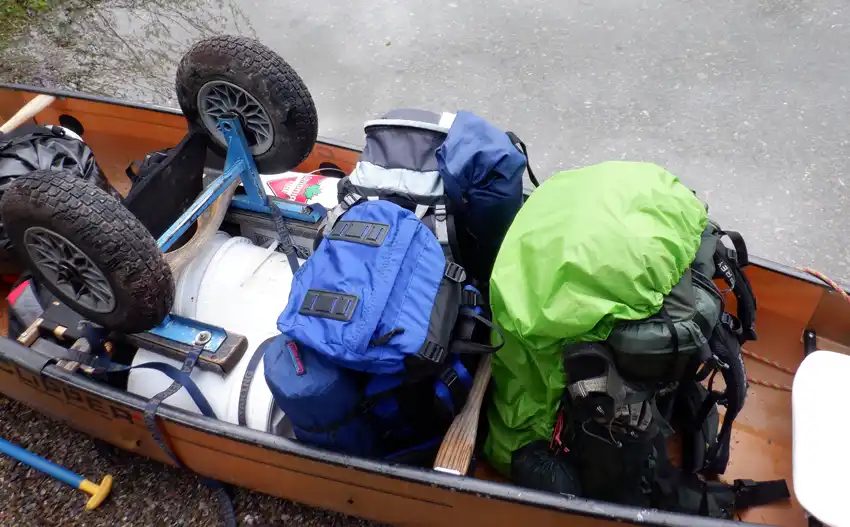
The full circuit covers roughly 116 kilometres (72 miles) and links a chain of lakes and rivers through Bowron Lake Provincial Park in British Columbia. Most groups complete the route in six to ten days. Our trips followed a seven-day schedule, travelling clockwise around the circuit.
One of the major factors affecting food planning on this route is the portage system. The circuit includes ten portages totalling roughly 11 kilometres (6.8 miles) of land travel between lakes. During these sections, all gear and food must be carried between waterways.
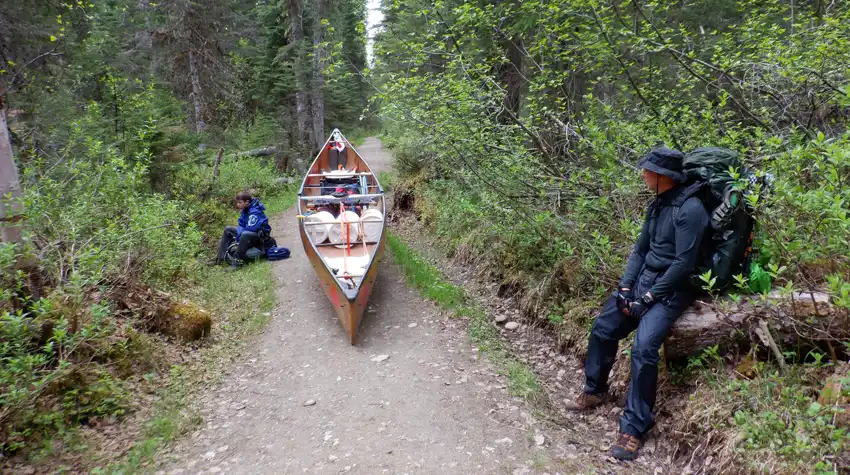
The park also enforces a weight restriction for canoes during portages. The maximum allowable canoe weight is 60 pounds when loaded with gear or supplies. If the canoe exceeds that weight, gear and food must be removed and carried separately.
Key Planning Constraints on the Bowron Circuit
- Seven-day expedition length
- Ten portages totalling roughly 11 km
- Maximum canoe weight of 60 lbs during portages
- Limited cooking space at some campsites
- Variable weather conditions
- No resupply once the circuit begins
This restriction makes food weight an important consideration. Even though canoe travel allows more equipment than backpacking, food systems still need to remain efficient to reduce the number of loads required during portages.
Group size also affects food planning. As mentioned, our group consisted of me, Adam, and his son Nick, travelling in a single 20-foot canoe. Meals had to be simple enough to prepare quickly while still providing adequate calories for daily paddling and portaging.
Cooking logistics are another factor. Campsites along the Bowron circuit vary in size and weather exposure. Rain, wind, and limited cooking space can all affect meal preparation. Reliable stove systems and meals that cook quickly help reduce fuel use and simplify camp routines.
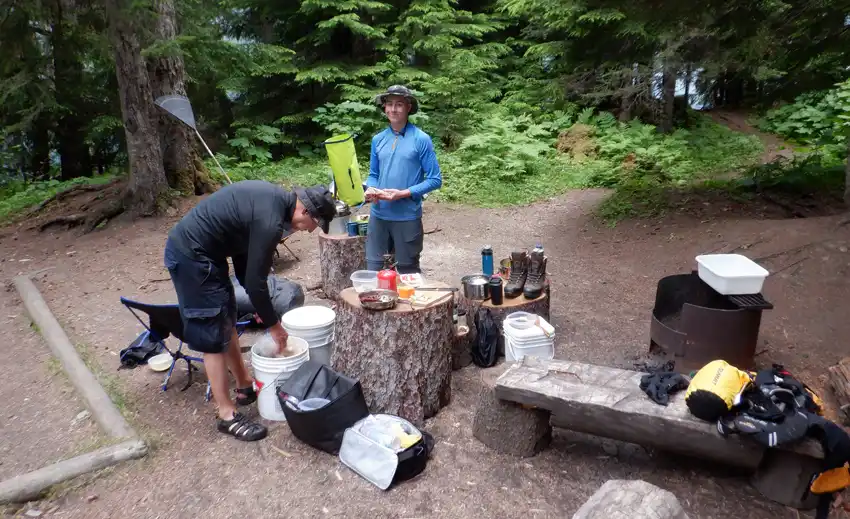
Food storage must also be considered. For our trips, food was primarily stored in sealed five-gallon pails with lids. This kept ingredients protected from moisture and simplified packing during portages.
These combined factors influence how meals should be designed for canoe expeditions. The best food systems prioritize simple preparation, moderate weight, and ingredients that hold up well during a week of backcountry travel.
NOTE: Portages quickly reveal inefficient packing systems. Excess food weight or poorly organized containers can significantly increase the number of loads required between lakes.
Designing the Food Plan for a 7-Day Canoe Expedition
Food planning for the Bowron Lakes Canoe Circuit focused on a simple daily structure that balanced calories, cooking time, and fuel use. Because canoe travel allows more equipment than backpacking, it was practical to prepare two hot meals most days while keeping lunches simple and quick.
The overall goal was to use meals that were reliable in wet conditions, easy to cook after long paddling days, and built around ingredients that packed well in sealed containers.
Typical Daily Meal Structure
| Meal | Typical Foods | Purpose |
|---|---|---|
| Breakfast | Oatmeal, bagels, coffee, occasional hot meals | Warm start and steady energy for morning paddling |
| Lunch | Tortillas, cheese, tuna, trail mix, dried fruit | Quick meal without extended cooking stops |
| Dinner | Pasta meals, ramen, boxed dinners, freeze-dried meals | The main calorie meal at the end of the day |
| Snacks | Trail mix, dried fruit, personal snacks | Supplement calories during paddling |
Each paddler also carried personal snacks for use throughout the day. This helped maintain energy without needing to stop frequently for larger meals.
Why Two Hot Meals Worked Well
On longer canoe trips, hot breakfasts and dinners can be practical if the cooking system is reliable. The stoves used on our trips included a Trangia alcohol stove, an MSR Pocket Rocket Deluxe, and an Optimus Polaris Optifuel as the primary cooking stove.
This setup allowed flexibility depending on fuel availability and cooking conditions. White gas, isobutane, and methyl hydrate were all available depending on which stove was used.
Because meals were prepared for the entire group, dinners were usually cooked as single-pot meals. This approach reduced cooking time, simplified cleanup, and minimized fuel consumption.
- Single-pot pasta meals
- Simple noodle dishes
- Commercial freeze-dried meals later in the trip
- Boxed meals such as macaroni and cheese
Keeping meals simple also made cooking easier in poor weather. After a full day of paddling and portaging, meals that required minimal preparation were far more practical than complex recipes.
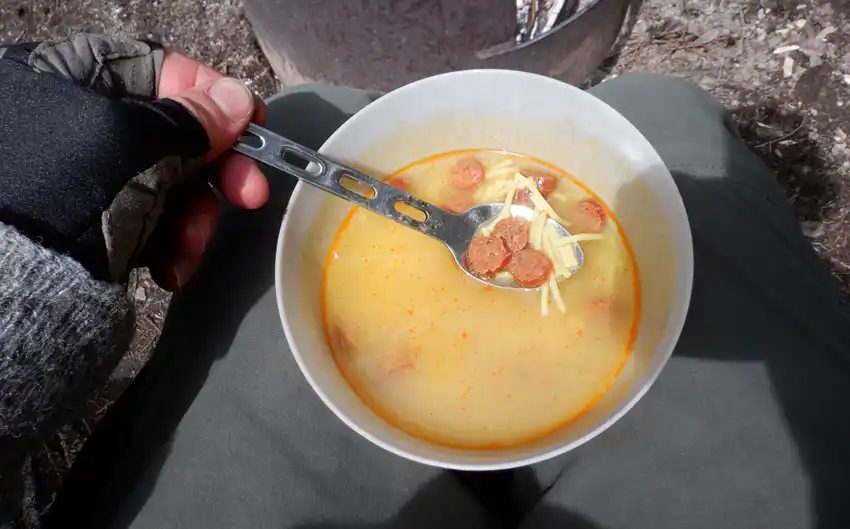
NOTE: Expedition meals should focus on reliability rather than complexity. Meals that cook quickly, require minimal ingredients, and work in one pot are easier to manage during long trips.
This simple structure provided enough flexibility to incorporate both fresh foods early in the trip and dehydrated or packaged meals later in the week.
Fresh vs Dehydrated Food on Canoe or Kayak Expeditions
Canoe expeditions allow more flexibility with food than most backpacking trips. The ability to carry larger loads makes it possible to include fresh ingredients during the early portion of a trip while transitioning to dehydrated or packaged meals later in the expedition.
These experiences also reinforced the advantages of dehydrating food for backpacking, which removes water weight while still allowing meals to remain satisfying and practical on longer trips.
On the Bowron Lakes trips, the general strategy was to use fresh foods during the first two to three days and then shift toward freeze-dried or packaged meals for the remainder of the circuit. This approach balanced food quality with long-term reliability.
Typical Fresh Foods Used Early in the Trip
- Cheddar and Parmesan cheese
- Frozen beef sausages
- Smoked dry-cured salamis
- Fresh vegetables
- Fresh fruit
- Tortillas and bagels
- Canned tuna
- Pasta ingredients for simple meals
Fresh ingredients add variety and improve morale early in an expedition. However, they require careful handling and temperature awareness to avoid food safety issues.
Managing Fresh Meat on Multi-Day Trips
Frozen meats were occasionally brought on these trips, particularly beef sausages, and one time, we had steaks. The meat was frozen before departure and insulated carefully inside food containers to slow the thawing process.
With proper insulation, the meat could remain safe to cook through the second day of the trip. However, this approach requires careful monitoring and should not be attempted without experience managing perishable food in backcountry conditions.
IMPORTANT: When transporting raw meat on wilderness trips, the internal temperature should remain at or below 40°F (4°C). A compact food thermometer provides a reliable way to verify safe storage temperatures before cooking.
Using a thermometer helped confirm that the meat remained within a safe temperature range before preparation and during cooking. If temperatures rise beyond safe limits, the safest option is to discard the food.
Transitioning to Freeze-Dried and Shelf-Stable Meals
Once fresh ingredients were used early in the trip, meals shifted toward ingredients that tolerate longer storage without refrigeration.
- Ramen noodles
- Kraft Dinner
- Boxed soup mixes
- Dried fruits
- Trail mix
- Commercial freeze-dried meals
These foods offer several advantages for longer expeditions. They are lightweight, easy to cook, and remain stable even during wet or humid conditions.
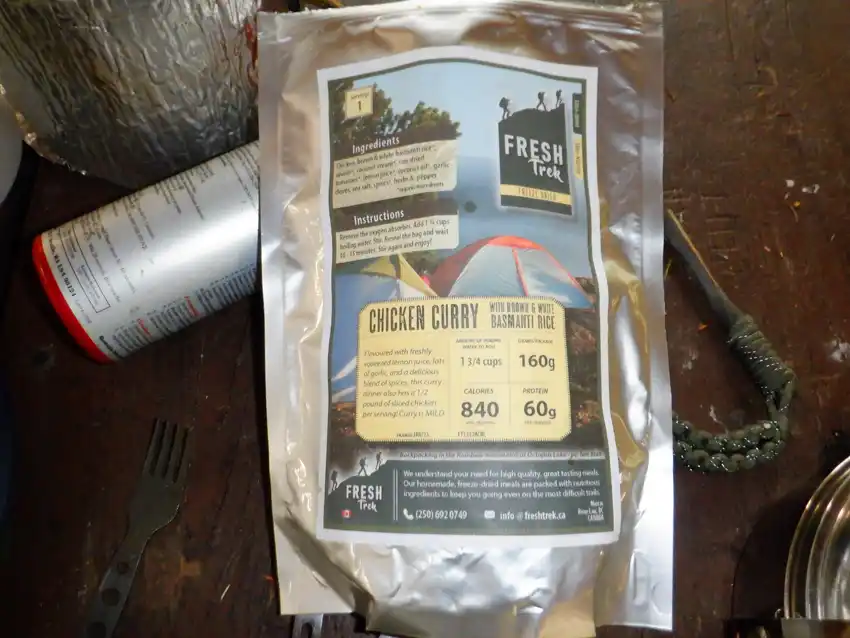
Comparing Fresh and Freeze-Dried Foods on Canoe Trips
| Food Type | Advantages | Limitations |
|---|---|---|
| Fresh Ingredients | Better texture and flavour early in the trip | Heavier and limited shelf life |
| Frozen Meats | High protein meal option early in the trip | Requires careful temperature management |
| Freeze-Dried Meals | Lightweight and long shelf life | Requires water and rehydration time |
| Dehydrated Meals | Similar to freeze-dried meals | Requires water and rehydration time |
| Packaged Shelf-Stable Foods | Easy preparation and reliable storage | Lower calorie density in some cases |
Combining fresh foods early in the trip with freeze-dried, dehydrated or shelf-stable meals later provided a practical balance between meal quality and expedition reliability.
This system also reduced the risk of food spoilage while maintaining a steady supply of simple meals throughout the seven-day circuit.
Managing Food Weight for Portages
Even though canoe expeditions allow more gear than backpacking trips, food weight still becomes an important factor on routes with frequent portages. The Bowron Lakes Canoe Circuit includes a lot of portages that can make the weight feel heavier as you pull an 85 lb canoe uphill, downhill, through mud and over rocks.
The park will enforce a maximum gear weight of 60 lbs during portages, so it's best to account for the possibility of carrying more. This makes efficient packing and weight management an important part of expedition food planning.
Food Container System
For our trips, food was organized primarily using sealed five-gallon pails with lids. These containers provided several advantages during a week-long canoe expedition.
- Water-resistant storage during rain and rough water
- Simple stacking and loading inside the canoe
- Durable containers that tolerate repeated portages
- Easy organization of meals and ingredients
Across the three Bowron trips, the group food system typically used three five-gallon pails for food and one additional freezer bag for overflow items or ingredients that did not require rigid containers. These came in handy more than a few times as we paddled in cold, wet conditions.
A small separate pail was also carried to store garbage generated during the trip. Keeping waste contained prevented food odours from spreading through other gear and simplified campsite cleanup.
Bear Storage on the Bowron Circuit
Unlike some wilderness routes, the Bowron Lakes Canoe Circuit provides steel bear caches at every designated campsite. These lockable metal containers allow paddlers to store food and garbage securely overnight.
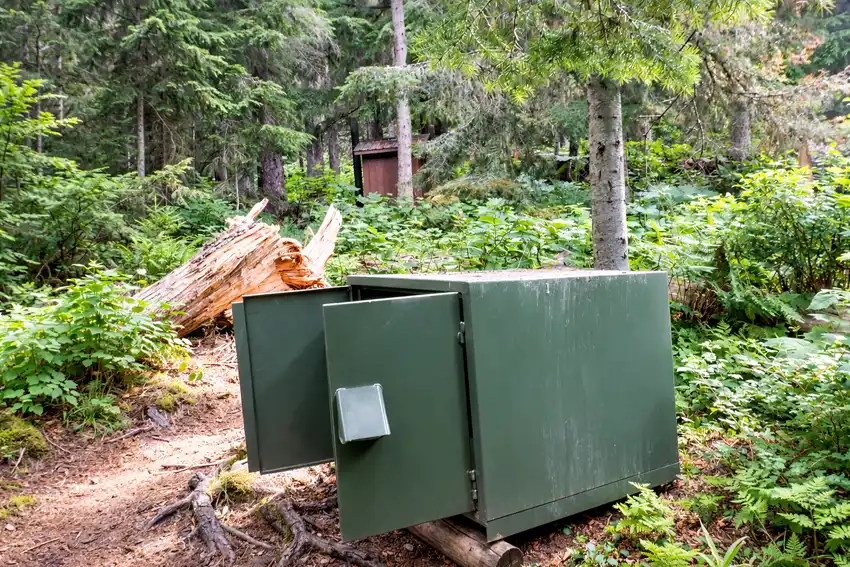
This infrastructure eliminates the need for bear hangs or individual bear-resistant containers. Food pails and garbage containers can be placed directly inside the bear cache at each campsite.
NOTE: Even when bear caches are available, keeping food containers sealed during the day helps prevent odours from spreading into other gear. This also keeps ingredients dry during rain and river travel.
Weight Management Considerations
While canoe travel allows heavier loads than backpacking, excessive food weight still increases the difficulty of portages. Efficient meal planning helps reduce unnecessary bulk.
- Favour lightweight ingredients when possible
- Avoid carrying excess packaging
- Use dehydrated foods later in the trip
- Organize meals to minimize leftover ingredients
Combining these strategies helped keep the food system manageable while still allowing satisfying meals throughout the seven-day expedition.
Lightweight foods simplify portages and reduce the number of loads required during longer expeditions. Choosing high-calorie foods for backpacking can help reduce total pack weight while maintaining energy levels.
Cooking Systems and Fuel Reliability on Canoe or Kayak Expeditions
Reliable cooking systems are essential on multi-day canoe expeditions. When travelling for a full week without resupply, stove reliability and fuel planning become critical parts of the food system.
Reliable cooking systems are essential on multi-day canoe expeditions. Choosing dependable backcountry cooking systems helps ensure meals remain consistent even when weather conditions become challenging.
For the Bowron Lakes trips, multiple stoves were carried to provide flexibility and redundancy. This approach ensured that meals could still be prepared if one stove malfunctioned or fuel supplies became limited.
Stove System Used on the Bowron Trips
The primary cooking stove for group meals was an Optimus Polaris Optifuel. This stove is designed for expedition use and operates on multiple fuel types, including white gas and isobutane.
A second liquid fuel stove, the MSR Dragonfly, was also available as part of the group cooking system. This provided an additional reliable option for preparing meals.
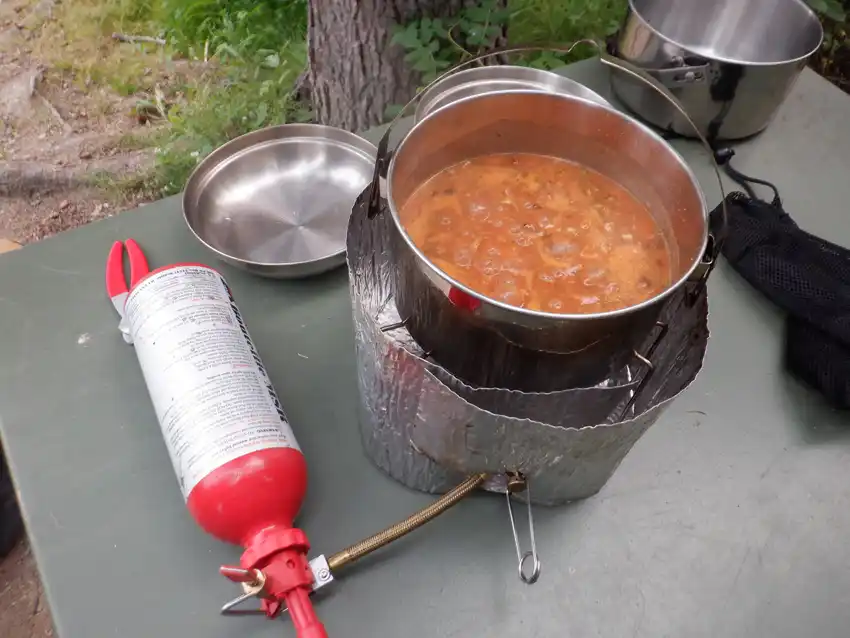
Two smaller stoves were carried as secondary options.
- Optimus Polaris Optifuel – primary expedition stove used for most group meals
- MSR Dragonfly – a secondary liquid fuel stove available for cooking
- Trangia alcohol stove – a quiet personal cooking stove using methyl hydrate
- MSR Pocket Rocket Deluxe – compact backup stove using isobutane canisters
Having multiple stove types also allowed flexibility with different fuels, including white gas, isobutane canisters, and alcohol.
This reduced the risk of cooking failures if one fuel source became unavailable.
Why Stove Redundancy Matters
Cooking systems occasionally fail on wilderness trips. Fuel can run out sooner than expected, stoves may malfunction, or weather conditions can make some systems difficult to operate.
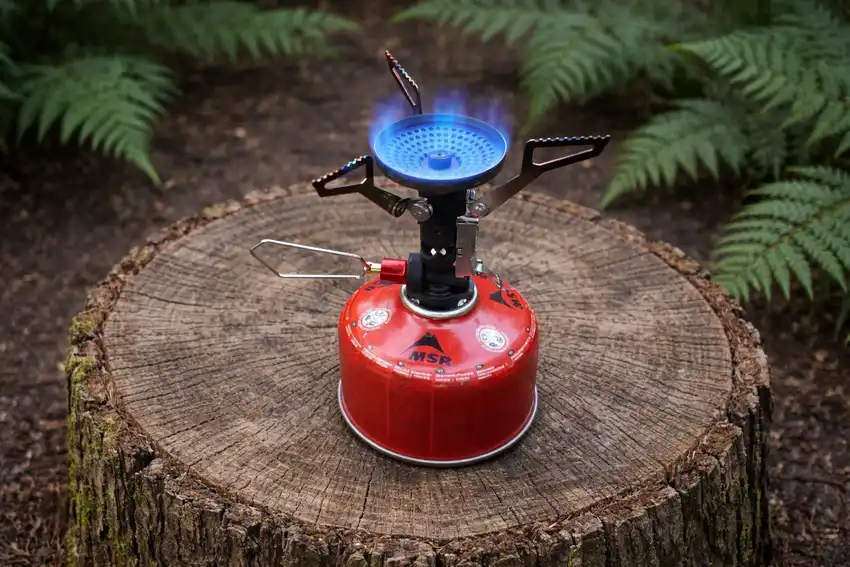
Carrying more than one stove system ensures that meals can still be prepared if problems occur. Do you need all the stoves that we brought...not really. However, having a primary stove and a backup is recommended.
IMPORTANT: Expedition food systems should always include a backup cooking method. A single stove failure can prevent hot meals for the entire group if no secondary option is available.
A Real Lesson in Fuel Planning
During one of the Bowron trips, a guided group camping across a river that separated our two camps encountered a stove fuel problem. Their large fuel container had not been filled properly before the trip, leaving them without enough fuel to prepare meals for their group.
The guide approached our campsite and asked if it was possible to use the wood stove inside the shelter where we were cooking. They needed to prepare dinner for their group and no longer had enough stove fuel available.
To help solve the problem, I provided a one-litre bottle of stove fuel so they could continue cooking for the rest of their trip. Luckily, some campsites along the route have shelters with a wood stove that you can cook on. Unless it's fire season, you can also cook on campfires.
This situation reinforced two important lessons for expedition cooking systems.
- Always verify fuel supplies before leaving for a multi-day trip
- Carry a backup cooking system whenever possible
When food systems depend entirely on a single stove or fuel supply, even small planning mistakes can affect the entire expedition.
Lessons Learned After Three Bowron Expeditions
Food systems often improve after repeated use in real expedition conditions. The three Bowron Lakes trips provided an opportunity to refine meal planning, reduce unnecessary weight, and improve overall reliability.
Each year, adjustments were introduced that made the food system more efficient for the following trip, which made for a better and happier experience!
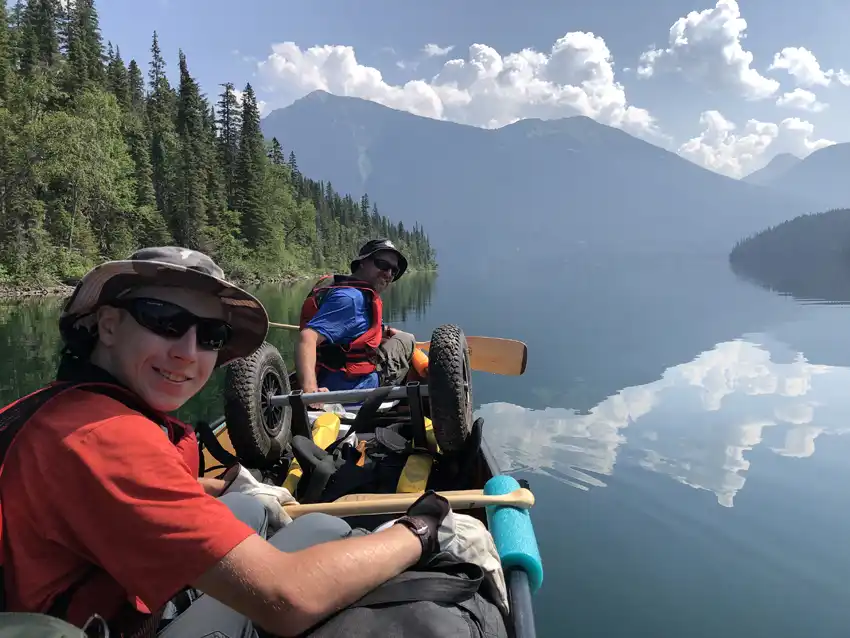
First Expedition: Initial Planning Challenges
The first Bowron trip in 2021 was our group's first multi-day canoe expedition. While the food system worked overall, several planning issues became clear before departure.
When the food containers were packed and weighed, the total weight exceeded the limits required for portaging. Some food items had to be removed at the last minute, which forced changes to the planned menu.
Several factors contributed to the excessive weight.
- Too many fresh ingredients
- Canned foods
- Bottled sauces and ingredients
- Heavy packaging
These items increased the total weight of the food system more than expected. Although canoe travel allows heavier loads than backpacking, the portage requirements on the Bowron circuit still make weight management important.
Second Expedition: Improved Food Selection
The second trip in 2022 focused on improving food weight and organization. Menu planning was adjusted to include lighter ingredients and better container organization.
Several changes were made.
- Reduced the number of canned foods
- Less bottled ingredients
- More dried and boxed foods
- Better use of bulk food ingredients
Local bulk food stores were useful for selecting lightweight ingredients that could be measured and packed without excess packaging.
These adjustments reduced food weight while still maintaining simple meals that could be prepared quickly in camp.
Third Expedition: Simplifying the System
By the third trip in 2023, the food system was simplified even further. Fresh meals were limited to roughly the first two days of the expedition, with the remainder of the menu relying on commercial freeze-dried meals and lightweight packaged foods.
This approach significantly reduced the total food weight carried during the trip.
In hindsight, a system based primarily on dehydrated foods would likely have been even more efficient. Dehydrated ingredients provide high-calorie density with minimal weight and packaging.
NOTE: Food systems often improve after repeated trips. Early expeditions frequently reveal unnecessary weight, inefficient ingredients, and cooking systems that can be simplified in future planning.
Fuel Planning Adjustments
Fuel planning also improved after the first trip. Initially, I brought two litres of liquid fuel, which were packed along with an additional litre carried by my friend Adam for his stove.
After observing actual fuel consumption during the expedition, it became clear that significantly less fuel was required. Later trips reduced fuel weight by approximately 1.5 litres without affecting cooking reliability.
The only exception occurred during the trip, when another group required additional fuel assistance. Carrying extra fuel for that expedition required removing another piece of gear to maintain overall pack weight. Something in my subconscious made me bring the extra one.
Weather Awareness and Cooking Preparation
Weather conditions in the Bowron Lakes region can change quickly due to the surrounding mountain terrain. Clear skies can shift to storms with little warning.
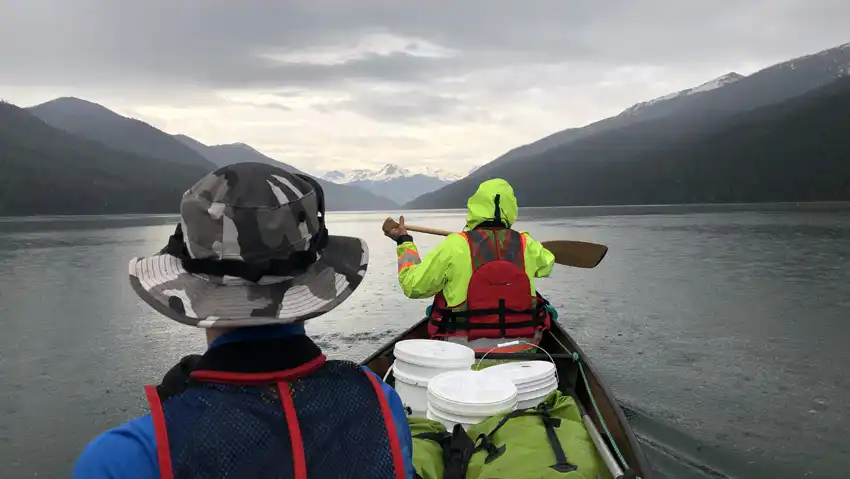
During the first trip, we had limited experience with the local weather patterns. Later expeditions were planned with greater awareness of potential rain and wind conditions.
Although wildfire smoke is not typical weather, in 2023, we experienced a smoky wildfire season nearby. Something you have to consider if you plan on campfires—in some cases, even using a camp "stove" can be prohibited.
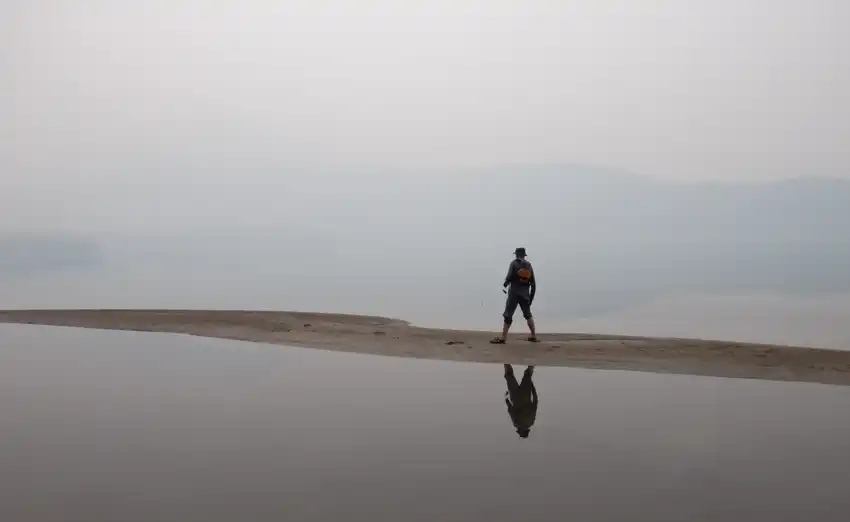
Cooking systems and fire preparation were adjusted accordingly. When campfires were needed for cooking, wet wood could become a challenge after heavy rain.
A small torch carried by Adam proved useful when starting fires in damp conditions.
Understanding these environmental factors helped improve meal planning and cooking reliability for later trips.
Food Planning for the Bowron Lakes Canoe Circuit
Food planning for the Bowron Lakes Canoe Circuit becomes easier after understanding the practical constraints of the route. Portages, weather conditions, and cooking logistics all influence what foods work best during a seven-day expedition.
Simple one-pot meals work well for expedition cooking. Many of these meals can be adapted from existing trail meal recipes designed for backpacking and paddling trips.
Snacks are also important to plan out to keep your energy up, especially with the level of endurance this canoe trip demands.
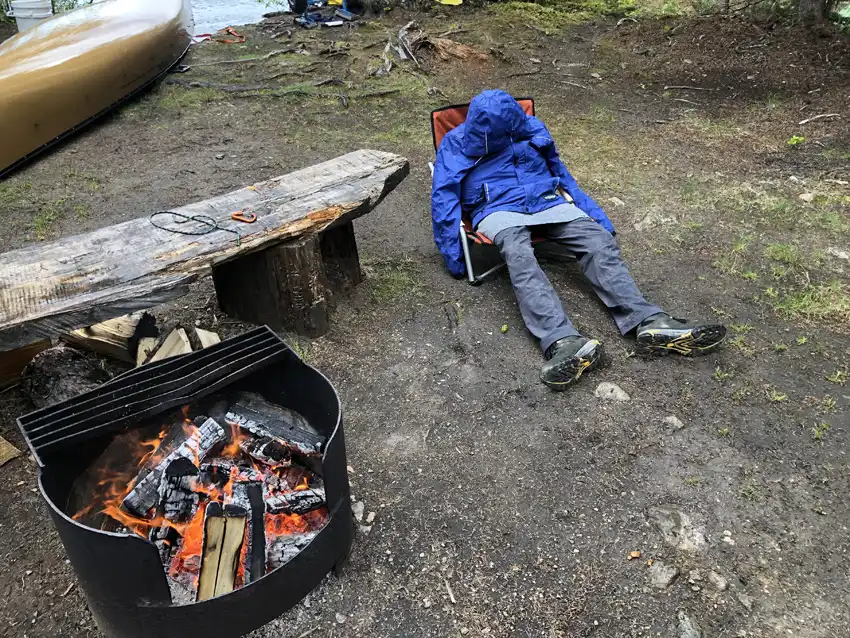
The following strategies helped simplify food preparation while keeping meals reliable throughout the circuit.
Organize Food Containers by Ingredient Type
Food for the Bowron trips was organized primarily by ingredient type using sealed five-gallon pails. This approach simplified meal preparation and made it easier to locate ingredients during camp cooking.
- One pail for fresh foods used during the first days of the trip
- One pail for dry foods such as pasta, boxed meals, and soup mixes
- One pail for miscellaneous cooking ingredients and supplies
Frozen meats were packed separately to allow better insulation and temperature monitoring during the first part of the expedition.
Commercial freeze-dried meals were typically carried individually by each paddler inside personal backpacks or dry bags. This reduced the bulk inside the group food containers and simplified meal distribution later in the trip.
Limit Fresh Food to the First Few Days
Fresh ingredients can improve meal quality early in a canoe expedition, but they should be used quickly to reduce weight and avoid spoilage.
- Plan fresh meals for the first one to three days
- Transition to dehydrated or shelf-stable foods for the remainder of the trip
- Avoid heavy canned or bottled ingredients whenever possible
Reducing the amount of fresh food also lowers the total food weight carried during portages.
Preference for Lightweight Ingredients
Lightweight foods simplify portages and reduce the number of loads that must be carried between lakes.
Ingredients that worked well included:
- Pasta and noodle dishes
- Boxed meal mixes
- Dried fruits and trail mix
- Commercial freeze-dried meals
Bulk food stores can also be useful sources for lightweight ingredients that can be packed without unnecessary packaging.
Plan Simple One-Pot Meals
After a full day of paddling and portaging, complex meals quickly become impractical. Simple one-pot meals are easier to prepare and require less fuel.
- Pasta dishes
- Noodle soups
- Boxed macaroni meals
- Freeze-dried expedition meals
NOTE: Meals that require minimal preparation and cook in a single pot reduce fuel use and simplify camp routines during multi-day expeditions.
Verify Fuel and Cooking Systems Before Departure
Fuel planning should always be confirmed before leaving for a multi-day expedition. Running out of fuel can affect the entire group’s ability to prepare meals.
- Check fuel containers before departure
- Carry a secondary stove when possible
- Monitor fuel consumption during the trip
Reliable cooking systems help ensure that meals remain consistent even when weather conditions become difficult.
How the Bowron Trips Influenced Trail Eating
The Bowron Lakes canoe trips played an important role in shaping the food planning philosophy behind Trail Eating. Experiencing the realities of multi-day expeditions highlighted the importance of balancing food weight, meal reliability, and cooking simplicity.
Early trips revealed how quickly food weight can increase when relying heavily on fresh ingredients, canned foods, and bottled sauces. While these foods can work well for short outings, they become less practical when portages and long travel days are involved.
As the Bowron trips progressed, meal planning gradually shifted toward lighter and more efficient food systems. Reducing fresh food after the first few days and relying more on lightweight ingredients made the food system easier to manage during portages.
These experiences also reinforced the advantages of dehydrated foods. Dehydrating ingredients removes excess water weight while still allowing meals to remain satisfying and practical during extended trips.
NOTES: Backcountry food systems should aim for balance. Lightweight meals do not have to sacrifice quality, but they should remain simple, reliable, and easy to prepare after long days of travel.
The lessons learned on the Bowron circuit eventually led to greater focus on dehydrating foods and developing meal systems designed specifically for human-powered travel.
This approach continues to influence how meals are planned for future backpacking and paddling trips, including future returns to the Bowron Lakes region. Although I've done well when going on solo backpacking trips over the years, moving into more dehydrated food has a major advantage.
A Balance of Great Food and Weight
Planning food for the Bowron Lakes Canoe Circuit requires a practical balance between weight, reliability, and simplicity. While canoe travel allows larger loads than backpacking, the portage sections still reward efficient food systems and thoughtful menu planning.
Combining fresh meals early in the trip with dehydrated or shelf-stable foods later provides a reliable structure for multi-day expeditions. Simple one-pot meals reduce cooking time, conserve fuel, and make camp routines easier after long days of paddling.
Organized food containers, careful fuel planning, and lightweight ingredients all contribute to a more efficient expedition system.
Most importantly, repeated trips help refine these systems. Each expedition reveals small improvements that make future trips easier to plan and manage.
The Bowron Lakes Canoe Circuit provides a good example of how food planning evolves through real wilderness experience. With careful preparation, simple meals, and reliable cooking systems, multi-day canoe or kayak expeditions can remain both efficient and enjoyable.
Would I do this trip again? ABSOLUTELY!